


Kajiado County has been ranked among the lowest-performing counties in Kenya’s 2025 County Business Support Index (CBSI), with entrepreneurs decrying high licensing costs, weak infrastructure, and limited access to Micro, Small and Medium Enterprises (MSME) financing.
The report, released recently by VIFFA Consult, highlights that counties such as Kajiado, Kisii, Kakamega, Nyandarua, and Makueni continue to struggle in creating supportive environments for small businesses. Researchers noted that many of these counties still rely heavily on traditional market economies and have yet to link local enterprises to regional and international opportunities.
Entrepreneurs in Kajiado say the challenges have stifled growth, with many businesses unable to expand due to prohibitive compliance costs and poor infrastructure. The report urged county governments in the lower tier to strengthen partnerships with national agencies to open up regional and global markets for local SMEs.
Elsewhere, Uasin Gishu County emerged as the most business-friendly county in Kenya, followed by Machakos, Nairobi, Nakuru, and Bungoma in the top five. The study assessed 15 counties, analyzing factors such as licensing costs, SME support programs, and infrastructure development, using data from the Kenya National Bureau of Statistics (KNBS), County Finance Acts, and Annual Development Plans for FY 2025/26–2026/27.
ALSO READ:
Murkomen Appoints Michael Yator as New Kajiado County Commissioner
In sector-specific rankings, Machakos led in general trade, while Nyeri topped industrial plant and workshop licensing, ahead of Machakos, Nakuru, Bungoma, and Murang’a.
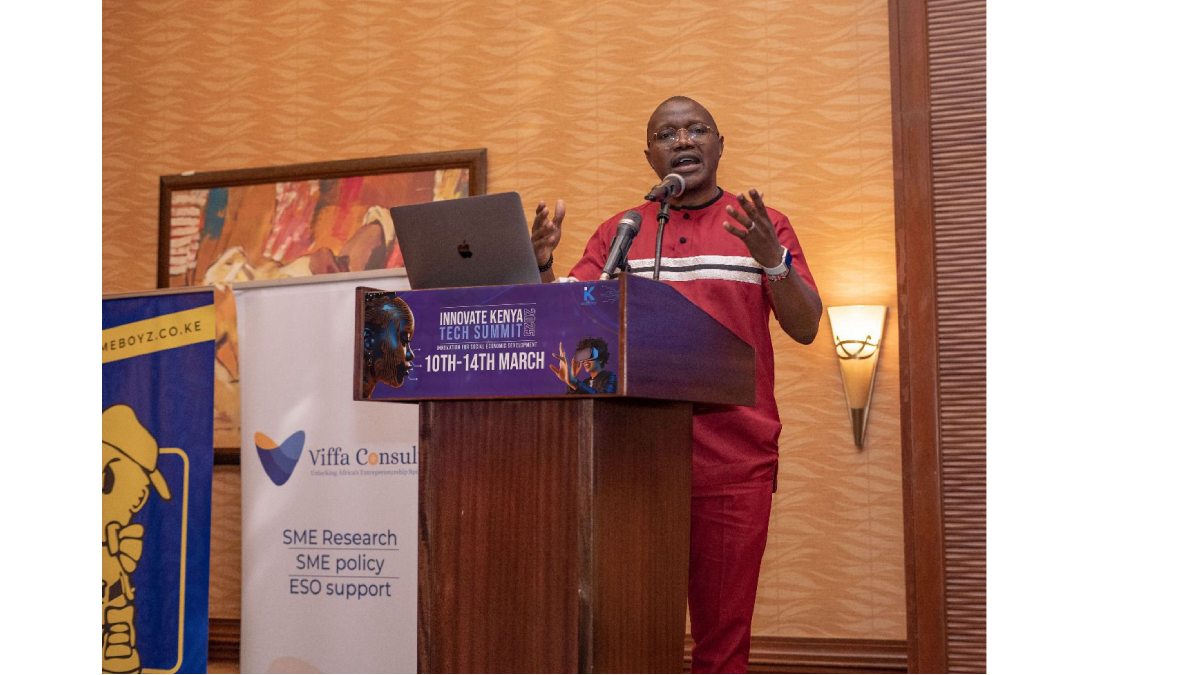
Speaking during the launch, a VIFFA Consult representative said: “The CBSI 2025 serves as a transparent and standardized framework to evaluate how counties are supporting businesses. It promotes accountability, competition, and evidence-based decision-making for both public and private stakeholders.”
The Index aligns with the government’s Bottom-Up Economic Transformation Agenda (BETA) and Medium-Term Plan IV, aiming to boost MSME competitiveness and guide investment decisions. It also recommended harmonizing CESS payments across regional blocs to reduce compliance costs and enhance inter-county trade.
The report also urged the counties to embrace transparency and evidence-based policies, so as to create sustainable environments for MSMEs to thrive.
By Masaki Enock