


Kajiado County is among the ten counties now classified as being in critical need of food, water and medical support, as the government appeals for Sh13 billion to cushion more than 2.1 million Kenyans affected by worsening drought conditions.
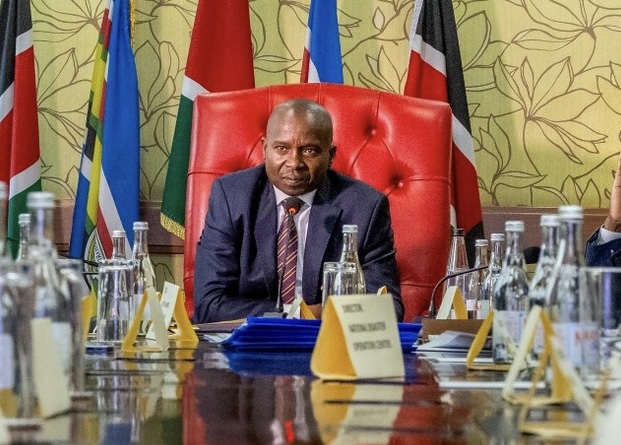
Deputy President Kithure Kindiki said the situation in Kajiado reflects a broader crisis across 32 counties, where failed short rains have triggered severe food and nutritional stress. He noted that KSh7 billion is required over the next three months for human food, water and medicine, while KSh6 billion will go towards livestock support, including feed, water and an off‑take programme.
“The October-December short rains have underperformed, exposing an estimated 2.1 million people across 32 counties to food and nutritional insufficiency,” Kindiki said after chairing a high‑level drought response meeting in Nairobi.
Kajiado joins Mandera, Wajir, Garissa, Kilifi, Kitui, Marsabit, Kwale, Isiolo and Tana River as the counties in the most urgent need of humanitarian assistance. Several others including Samburu, Turkana, Taita Taveta, West Pokot, Tharaka Nithi, Embu, Nyeri, Laikipia, Narok, Baringo, Makueni, Meru and Lamu remain on high alert.
RELATED:
Kajiado West and Kajiado Central Constituencies Worst Hit as Drought Intensifies Nationwide
Kindiki said the drought has destroyed crops, depleted pasture and strained livestock‑dependent households, calling for a mix of emergency relief and long‑term resilience measures.
The Kenya Meteorological Department has warned of a 60 per cent probability of La Niña in December 2025, with poorly distributed rainfall and prolonged dry spells expected to worsen food insecurity.
To reduce reliance on rain‑fed agriculture, the government plans to fast‑track irrigation projects, including 50 mega dams, 200 mini‑dams and more than 1,000 micro‑dams, expected to bring 2.5 million acres under production.
The National Drought Management Authority said the latest Food Security Monitoring Committee report shows deteriorating conditions across crop, livestock and nutrition sectors. Aid agencies have already begun scaling up interventions, with the Red Cross distributing food to more than 200 families in Ganze, Kilifi County, where over 46 water pans have dried up.
Kindiki said a follow‑up meeting with development partners, humanitarian organisations and private sector actors will finalize a comprehensive drought mitigation roadmap. He added that available food stocks will be dispatched immediately to the hardest‑hit areas through direct food aid and cash transfers.
By Masaki Enock