


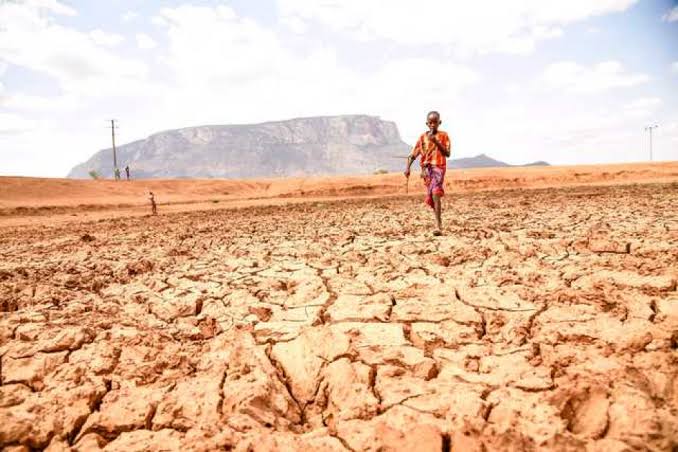
Kajiado County is bearing the brunt of worsening drought conditions, with Kajiado West and Kajiado Central constituencies identified as the hardest hit. Livestock farmers have already begun relocating their animals in search of water and pasture, while others are resorting to buying hay, a costly measure they warn will not be sustainable if the dry spell persists.
The National Drought Management Authority (NDMA) says the situation in Kajiado reflects the broader crisis unfolding across the country, driven by the poor performance of the short rains season. In its latest update, NDMA confirmed that Kajiado is among nine counties now classified under the Alert Phase, requiring close monitoring due to emerging drought indicators and growing risks to food security.
Mandera County has escalated further to the Alarm Phase, while other counties in the Alert category include Wajir, Garissa, Kilifi, Kitui, Marsabit, Kwale, Isiolo, and Tana River. NDMA notes that these regions are experiencing increasing stress in key livelihood zones, particularly in relation to water availability and livestock conditions.
Thirteen counties remain under the Normal Phase, but with a worsening trend. These include Samburu, Narok, Baringo, Turkana, Taita Taveta, West Pokot, Tharaka Nithi, Makueni, Laikipia, Embu, Nyeri, Meru, and Lamu.
ALSO READ:
KURA sets stakeholder meeting on proposed improvement of Kunde – Kiserian road
The Authority says ongoing food support, both in-kind and cash transfers is being provided across all C, with plans to scale up interventions in February 2026 should conditions deteriorate further.
NDMA is closely monitoring the drought situation and disseminating early warning information to vulnerable communities to support timely preparedness. The agency is urging the development and implementation of early action protocols, with emphasis on anticipatory measures, to reduce the potential impacts of the worsening drought.
According to NDMA, an estimated 1.8 million people in the Arid and Semi-Arid Lands (ASALs) are currently food insecure. The figure is projected to rise to 2.14 million by January 2026 if the short rains continue to underperform
By Masaki Enock