

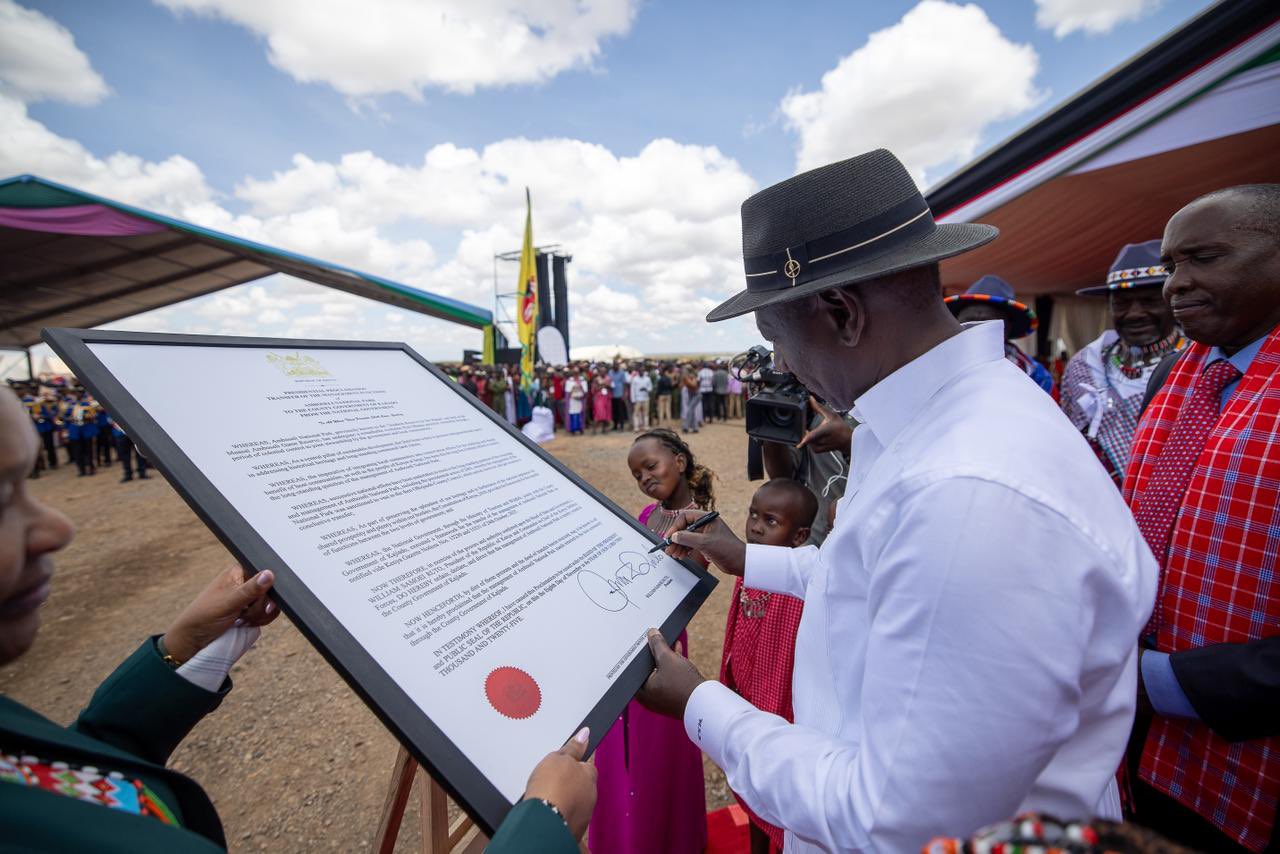
A growing number of county governments are intensifying pressure on the national government to secure a direct stake in the lucrative revenue streams generated by Kenya’s national parks, a push significantly energized by the recent transfer of management control over Amboseli National Park to Kajiado County.
This move allows Kajiado to directly oversee tourism operations and collect park income, with the Kenya Wildlife Service (KWS) and other national entities retaining only supervisory roles. Kajiado now joins Narok County, which already manages the Maasai Mara Game Reserve and annually collects billions of shillings in tourism fees.
Following this move, the administration of Nairobi Governor Johnson Sakaja is now actively lobbying for a similar arrangement for Nairobi National Park. Sakaja informed the Senate’s Devolution Committee that his county is seeking a revenue-sharing model on the grounds that the capital city bears the indirect cost of hosting the park, which occupies approximately one-eighth of its land area, a valuable space that could otherwise be used for essential housing or infrastructure projects.
Sakaja pointed out that the previous Presidential proposal was for a 50-50 revenue split, and he noted that Nairobi could also generate substantial income simply by charging land rates on the extensive park property.
ALSO READ:
Bar Owners in Ongata Rongai Decry High License Fees in Kajiado Finance Bill
This call has also been strongly echoed by leaders in Taita Taveta County, who are demanding a portion of the income from the vast Tsavo National Parks (Tsavo East and West). Governor Andrew Mwadime cited the parks’ massive footprint covering over 60 per cent of his county, and a previous pledge by the President as the basis for his demand.
Mwadime is advocating for an equal 50/50 revenue division, alongside accelerated compensation for residents affected by human–wildlife conflict and the implementation of joint infrastructure projects, such as the extension of the Mzima Springs water supply. He expressed frustration over the delay in implementing these commitments, which he claims is increasing political friction within the county.
The drive for local control and shared income stems from a commitment made by President William Ruto back then in 2023, who had previously announced that host counties would receive half of all revenue from national parks and game reserves to boost community welfare.
By Masaki Enock