


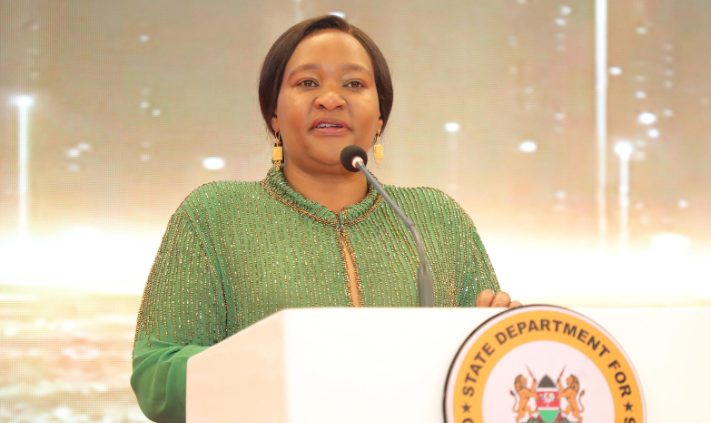
Kenya is preparing to lobby for the elevation of the Maa Cultural Festival to international status, with plans to present the case at the upcoming United Nations Tourism Executive Council and General Assembly in Riyadh. Tourism and Wildlife Cabinet Secretary Rebecca Miano announced the move during the closing ceremony of the festival at Amboseli National Park, Kajiado County.
Miano praised the Maasai community for their unwavering commitment to cultural preservation, noting that the festival has grown into a major attraction within Kenya’s tourism calendar. “We’ve seen consistent success for three consecutive years. It’s time to register this as an international event,” she said, urging organizers to collaborate with the Ministry to open the festival to global audiences.
The CS emphasized that showcasing Maasai heritage on the world stage would not only boost tourism but also affirm Kenya’s cultural leadership. She said the Ministry is committed to integrating the festival into Kenya’s official tourism circuit and positioning it as a flagship cultural experience.
ALSO READ:
Women Leaders Urge Maa Community to Invest in Education and End Harmful Practices
Defense Cabinet Secretary Soipan Tuya echoed the government’s support for the festival, while calling for the eradication of harmful cultural practices. “It is time to phase out all the negative aspects of our culture especially female genital mutilation and early marriages which have held back development in our communities,” she said.
Kajiado Governor Joseph Ole Lenku described the festival as a platform for rewriting the Maa narrative, countering stereotypes, and instilling pride in younger generations. “Our culture is now the most recognized African culture globally. We want our children to understand our values and embrace patriotism and conservation in an African way,” he said.
Lenku also highlighted the festival’s role in surfacing critical issues affecting the community, including land fragmentation, which continues to threaten pastoral livelihoods and cultural cohesion.
YOU MAY HAVE MISSED:
The Maa Cultural Festival, now in its third edition, was first launched in August 2023 in Narok County. Since then, it has been sustained by Maa-speaking communities across Kenya and northern Tanzania, with rotational hosting among counties. This year’s edition in Amboseli drew thousands of participants and featured traditional music, dance, beadwork, livestock exhibitions, and cultural dialogues.
At the inaugural event, President William Ruto directed the Ministry of Tourism and Wildlife to allocate funds for the festival and ensure its integration into national tourism programming. He also presented UNESCO certificates for the inscription of three Maasai rites of passage: Olng’esherr, Enkipaata, and Eunoto, recognized as intangible cultural heritage in need of urgent safeguarding.
By Masaki Enock